Two of the largest retailers in the United States, Walmart and Target, have recently undergone significant leadership changes, ushering in new CEOs who are set to steer these retail giants through evolving challenges and opportunities. Michael Fiddelke, who has been with Target for many years, officially stepped into the role of CEO, succeeding Brian Cornell after a period of declining performance and internal challenges. Meanwhile, John Furner, a long-time Walmart executive, has taken over the helm from Doug McMillon, after a distinguished tenure leading the company’s U.S. operations.
Both Fiddelke and Furner have expressed their commitment to continuing the work of their predecessors while addressing the current realities of the retail industry. As these leaders embark on their new roles, the spotlight is on their visions for the future of Target and Walmart, particularly in light of shifting consumer behaviors, competition, and the ongoing digital transformation.
Target’s Leadership Transition: Michael Fiddelke Takes the Reins
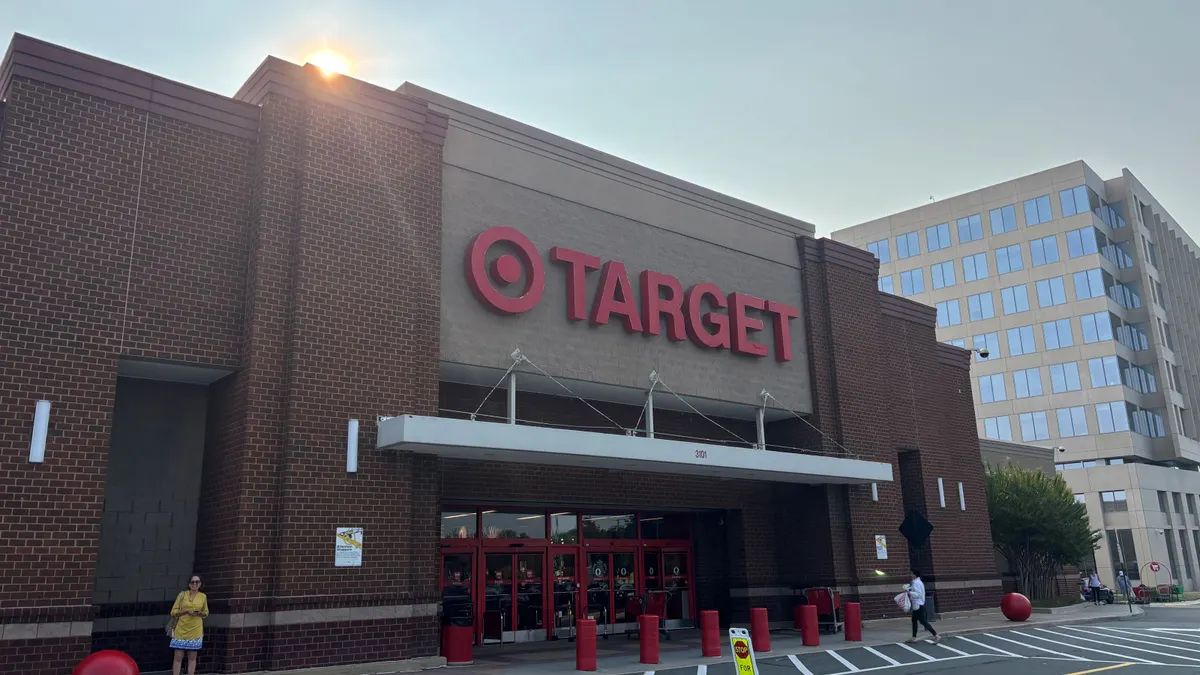
Michael Fiddelke’s appointment as CEO of Target marks a pivotal moment for the Minnesota-based retailer. Fiddelke, who has been with Target for several years and served as the company’s Chief Operating Officer (COO), officially assumed the top role after the departure of Brian Cornell, who had led the company for over eight years. Under Cornell’s leadership, Target experienced significant growth, but recent quarters have seen a decline in store traffic and consumer sentiment, especially related to certain diversity, equity, and inclusion (DEI) decisions.
In his message to employees following the announcement of his appointment, Fiddelke expressed his enthusiasm for the role and emphasized the deep personal connection he has with Target. He acknowledged the challenges the company faces but reassured employees and stakeholders that Target is ready to tackle them head-on.
“Stepping into this role is both humbling and deeply personal,” Fiddelke said. “While there’s a lot of work ahead, we’re clear on who we are, our unique place in retail, and the special relationship we share with our guests.”
As Fiddelke settles into the CEO role, he has outlined his top priorities, which he first mentioned when news of his appointment broke in August 2025. These priorities include regaining merchandising authority, enhancing the customer experience both in stores and online, accelerating the use of technology, and investing in Target’s workforce. Fiddelke’s focus will be on refining the company’s strategy and ensuring that it is executed with clarity and purpose.
“In the weeks ahead, my focus is simple: listen closely, move with clarity and urgency, and lead with purpose,” Fiddelke noted. “We will make clear choices, invest where it matters most, and bring this strategy to life through our stores, our digital experiences, and — most importantly — our people.”
Fiddelke’s appointment comes at a time when Target is under pressure to respond to both internal and external challenges. While the company has seen success in areas like online shopping and exclusivity in product offerings, it has struggled with maintaining consistent in-store traffic. The decline in foot traffic is especially concerning, as it signals shifting consumer preferences and changing retail trends. Moreover, the consumer backlash over Target’s recent DEI-related decisions has left the company grappling with public perception.
While Fiddelke’s leadership transition signals a new chapter for Target, the company still faces the need to fill key positions, including the COO role left vacant by Fiddelke’s promotion. The focus will be on rebuilding Target’s operations to meet evolving customer expectations while maintaining the company’s identity as a key player in the retail market.
Walmart’s New CEO: John Furner Steers the Ship
In a parallel shift at Walmart, John Furner, the former President and CEO of Walmart U.S., has been named the new CEO of Walmart Inc., replacing Doug McMillon. Furner, who joined Walmart in 1993, brings decades of experience to the top role, having worked in various capacities within the company. Over the years, Furner has been instrumental in leading Walmart’s U.S. business and overseeing the company’s vast network of stores and digital operations.
Furner officially took over the CEO role from McMillon, who retired after a remarkable career. In a heartfelt LinkedIn post, Furner expressed his gratitude for McMillon’s mentorship and leadership. “Over the past 20 years, Doug has played so many roles in my life,” Furner wrote. “We’ve been through great times and tough times, but I’ll remember them all as the best times.” Furner also reaffirmed his commitment to continuing Walmart’s mission of serving associates, customers, and communities.
With McMillon’s departure, Furner faces the challenge of navigating Walmart through a competitive retail landscape. Walmart has long been a leader in the brick-and-mortar retail space, but in recent years, the company has also seen significant growth in its e-commerce operations. As the retail industry continues to evolve, Furner will need to build on Walmart’s strengths while addressing new opportunities and challenges presented by the digital age.
“I’m committed to carrying forward with the same purpose and responsibility to our associates, customers, members, and the communities we serve,” Furner stated. As Walmart continues to expand its services, particularly in e-commerce, Furner will play a key role in ensuring the company stays competitive against rivals like Amazon, Target, and other online-first retailers.
A Changing Retail Landscape: What’s Next for Target and Walmart?
As Fiddelke and Furner step into their respective roles, both companies are positioning themselves to tackle the changing retail landscape head-on. The industry is increasingly shaped by consumer demand for convenience, value, and seamless shopping experiences across both digital and physical channels. With online shopping continuing to outpace in-store sales, Walmart and Target’s leadership teams are focusing on refining their digital strategies while enhancing the in-store experience for customers.
For Target, Fiddelke’s emphasis on technology and customer experience signals a commitment to staying relevant in the highly competitive retail environment. This may involve expanding Target’s e-commerce capabilities, improving its mobile app, and refining its loyalty programs. Additionally, Fiddelke’s focus on investing in employees suggests that Target’s workforce will play a critical role in the company’s future success.
At Walmart, Furner’s focus on customer-centric strategies and ensuring operational efficiency will likely involve doubling down on Walmart’s investments in technology and supply chain optimization. Walmart’s efforts to integrate its physical and digital operations have already paid off, with strong growth in online grocery sales and other digital services. However, Furner will need to continue innovating in areas like automation, AI, and omnichannel retail to maintain Walmart’s edge over competitors.
Shifting Priorities and New Challenges for Target and Walmart
Both Fiddelke and Furner are stepping into leadership roles at a time when the retail industry faces unprecedented challenges. As the world continues to recover from the pandemic and adjusts to the new realities of digital commerce, both companies must find ways to maintain growth and profitability. While Walmart and Target have vast resources and loyal customer bases, they are not immune to the pressures of changing consumer behavior, supply chain disruptions, and heightened competition from both traditional and online-only retailers.
The leadership transitions at Walmart and Target are likely to usher in new strategies that will shape the future of these companies. From Fiddelke’s focus on technology and employee investment at Target to Furner’s commitment to enhancing Walmart’s customer experience, both CEOs will need to lead with agility and vision as they navigate the evolving retail landscape.
ALSO READ RELATED ARTICLE:Walmart’s Bold Move: How AI is Revolutionizing the Shopping Experience in 2026.