Eddie Bauer is preparing to file for bankruptcy, and the future of its North American retail stores is uncertain. With more than 250 locations across the U.S. and Canada, Eddie Bauer has been a staple in the outdoor apparel market for decades. However, as its operating company nears bankruptcy, the brand’s brick-and-mortar presence is at risk. Authentic Brands Group (ABG), which owns Eddie Bauer’s intellectual property, has shifted the brand’s e-commerce and wholesale licenses to another company, Outdoor 5. This article explores the latest developments regarding Eddie Bauer’s retail closures and the potential future of the brand.
Retail Store Closures: What’s Happening to Eddie Bauer’s Locations?
Eddie Bauer’s physical retail operations face an uncertain future as the brand prepares for bankruptcy. Catalyst Brands, the operator responsible for Eddie Bauer’s retail and outlet stores, is set to file for bankruptcy, according to a source familiar with the situation. While ABG retains ownership of Eddie Bauer’s intellectual property, the company is transitioning the retail management to Catalyst, which is now preparing to shut down most of Eddie Bauer’s North American stores.
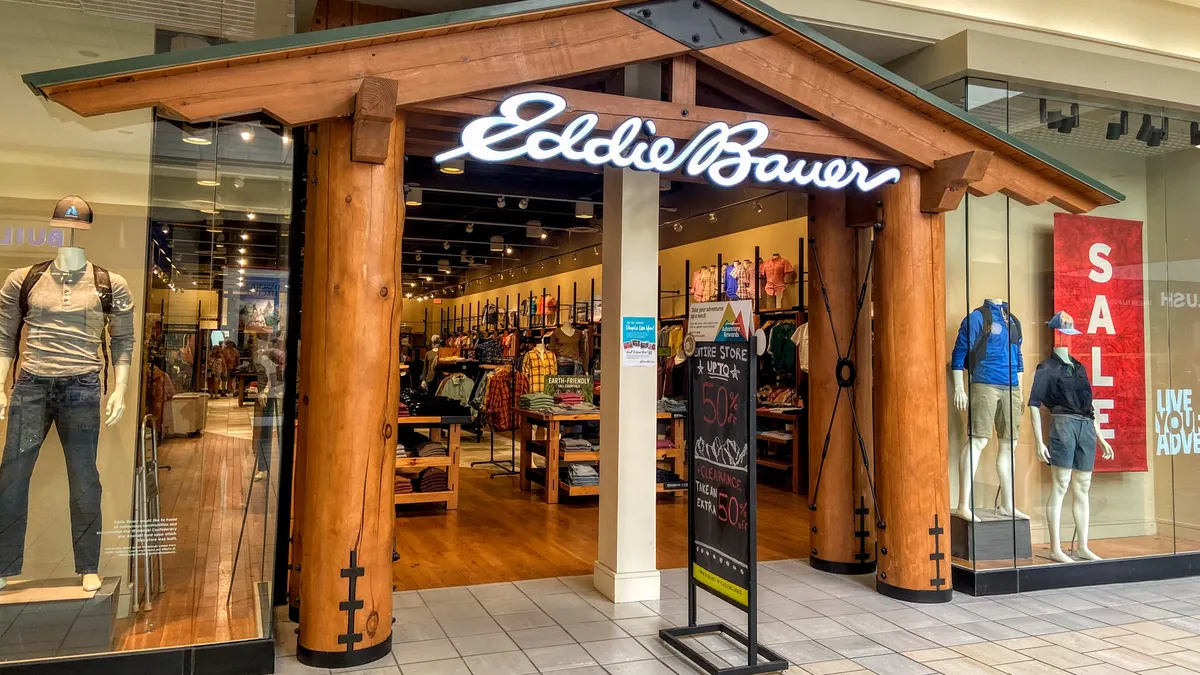
Initial reports suggest that a few stores may continue to operate, but most, if not all, of the brand’s hundreds of locations are expected to close. The closures will have a significant impact on Eddie Bauer’s traditional presence in shopping malls and retail centers, which have long featured the brand’s distinctive log cabin-style stores. This move is part of a broader trend within the retail sector, where brick-and-mortar stores are becoming less viable, and brands are pivoting to e-commerce.
E-Commerce and Wholesale: Shifting Operations to Outdoor 5
While Eddie Bauer’s physical stores are facing closures, its e-commerce and wholesale operations are shifting to a new operator, Outdoor 5. Authentic Brands Group made the decision to transfer these licenses to Outdoor 5 in January 2026. Outdoor 5, which has experience managing outdoor lifestyle brands, will now oversee Eddie Bauer’s online sales and operations across the U.S. and Canada.
This change reflects the growing importance of online sales and wholesale partnerships in the retail sector. Traditional retail operations are declining, and brands like Eddie Bauer are focusing more on digital channels to maintain revenue. By handing over the e-commerce and wholesale functions to Outdoor 5, ABG hopes to preserve the brand’s digital presence while allowing Eddie Bauer to continue its operations in the evolving marketplace.
Catalyst Brands and Its Role in Eddie Bauer’s Future
Catalyst Brands, the entity currently responsible for Eddie Bauer’s retail operations, finds itself in a precarious position. Established as a joint venture with J.C. Penney’s leadership and operations integrated into the company, Catalyst now faces bankruptcy proceedings. This situation places the future of Eddie Bauer’s retail stores in question, as the company prepares to close most of its locations.
Reports indicate that some parties may be interested in acquiring a few of Eddie Bauer’s remaining stores, but with production and manufacturing costs increasing, it is unclear how many stores will remain open. While Catalyst’s bankruptcy filing is a significant setback, it’s unclear whether any alternative management structure will emerge to revive Eddie Bauer’s physical retail operations.
Authentic Brands Group: Strategic Shifts and Brand Management
Authentic Brands Group (ABG) has become one of the largest brand management firms, acquiring and managing a portfolio of well-known names in the retail industry. With Eddie Bauer and other brands under its umbrella, ABG has focused on licensing intellectual property to other operators. However, this strategy has faced challenges, especially in the case of Eddie Bauer’s retail operations.
In recent years, ABG has tried to revitalize Eddie Bauer by introducing new branding strategies, including a logo redesign and expansion into international and wholesale markets. Despite these efforts, the brand has struggled to keep up with the changing dynamics of the retail landscape. The growing importance of e-commerce, coupled with the difficulties of maintaining physical stores in an increasingly digital world, has led ABG to reconsider its approach.
Shifting Retail Strategies and the Broader Retail Landscape
Eddie Bauer’s troubles reflect the broader challenges facing traditional retail companies in today’s market. With e-commerce continuing to outpace brick-and-mortar sales, many brands are reevaluating their store-based strategies. High operational costs, changing consumer preferences, and the shift toward online shopping have made it difficult for physical stores to remain profitable. Brands like Eddie Bauer, which have long depended on a combination of physical stores and wholesale partnerships, are finding it harder to maintain a sustainable retail model.
Eddie Bauer’s pivot to focusing on e-commerce under Outdoor 5 is a move that many other brands are making in response to similar challenges. The closure of its stores may be a difficult decision, but it reflects the ongoing shift toward online retail and the need for brands to adapt to a changing market.
Authentic Brands Group’s Future in Brand Management
For Authentic Brands Group, Eddie Bauer’s current struggles mark a significant turning point. ABG’s decision to shift its focus to e-commerce and wholesale for Eddie Bauer suggests a broader strategy of brand management and licensing rather than direct retail involvement. While ABG’s portfolio includes several successful brands, Eddie Bauer’s decline may signal the challenges of managing traditional retail operations in an age dominated by online shopping.
Looking ahead, ABG will likely continue to focus on its model of acquiring intellectual property and licensing it out to operators who specialize in e-commerce and digital sales. However, the challenges faced by Eddie Bauer highlight the risks associated with managing legacy brands in a rapidly changing retail environment.
Price and Product Strategies: What’s Next for Eddie Bauer?
While Eddie Bauer’s physical stores are being shut down, its future may still hold promise through its e-commerce and digital channels. The brand’s loyal customer base, along with its established reputation in the outdoor apparel market, could continue to generate revenue through online sales and partnerships with other retailers.
The focus on e-commerce could also lead to new product offerings and marketing strategies designed to attract younger, more tech-savvy customers. With Outdoor 5 at the helm of its online operations, Eddie Bauer may have the opportunity to reinvent itself as a modern outdoor brand that can thrive in the digital age.
The Challenges of Maintaining a Physical Retail Presence
Eddie Bauer’s struggles in maintaining a physical retail presence reflect broader trends in the industry, where the cost of operating stores has become unsustainable for many brands. The challenges of maintaining a nationwide network of stores while also trying to keep up with digital retail trends have led many brands to reconsider their strategies. Eddie Bauer’s decision to shut down stores may be the result of these realities, but it also underscores the difficulties traditional retailers face in staying competitive in the digital era.
As the retail landscape continues to evolve, Eddie Bauer’s story serves as a cautionary tale for other legacy brands. The shift to e-commerce and the closure of physical stores may be the future for many companies, but it also represents a loss of brand presence and the community engagement that physical stores once provided.