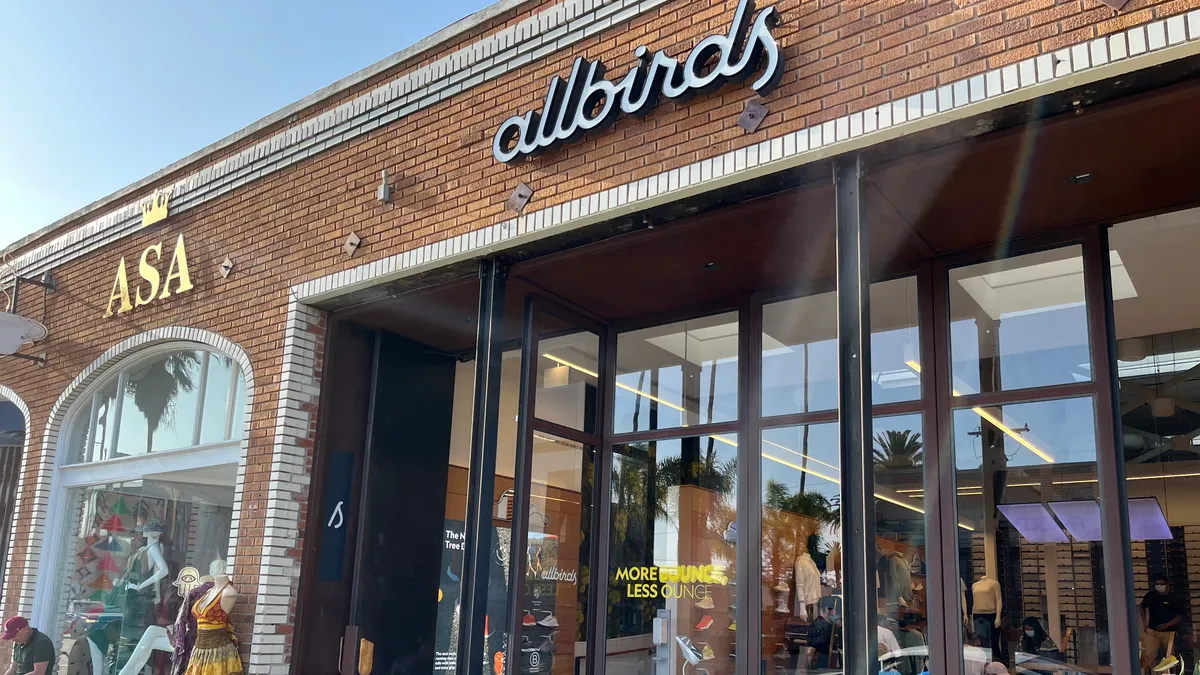
Allbirds, the sustainable footwear company once celebrated for its direct-to-consumer (DTC) model, has announced that it will close nearly all of its U.S. stores by the end of February 2026. The decision, outlined in a recent company press release, comes as part of a broader strategy to reduce physical retail presence and focus on e-commerce, wholesale partnerships, and international distribution. This marks a significant pivot for a brand that, at its peak, operated over 60 retail locations across the globe, with 45 of those stores in the U.S. alone.
In a bid to streamline its operations and improve profitability, Allbirds will retain just two outlet stores in the U.S. and continue operating two full-price stores in London. As the company moves away from its expansive retail approach, the closure of the majority of its U.S. stores signals a new chapter for the footwear brand, which had initially aimed for rapid growth and expansion.
The Closure of U.S. Stores and Shift Toward Online and Wholesale Channels
The move to close its U.S. stores is part of Allbirds’ ongoing transformation from a fast-growing DTC darling to a more cost-conscious, flexible retailer. As of the latest quarter, Allbirds had 21 stores in the U.S. and two international locations directly operated by the company. By the end of February 2026, however, all of the full-price locations in the U.S. will close, leaving only two outlet stores operational in California and Massachusetts.
This shift in strategy reflects a broader trend within the retail sector, where companies are increasingly focusing on e-commerce and partnerships to reach customers, rather than relying heavily on brick-and-mortar stores. In its statement, Allbirds emphasized that this decision would allow the company to “dedicate resources toward its e-commerce platform, wholesale partnerships, and international distributorships, all of which offer greater reach, flexibility, and operating leverage.”
The company’s decision to narrow its store portfolio follows years of evaluating underperforming locations. Allbirds had previously expanded aggressively, aiming to open numerous stores worldwide. However, with retail performance declining and the pressures of rising operating costs, the company has reversed course, transitioning many of its international stores to a distributor model. This restructuring aims to reduce costs and focus on sustainable growth through more efficient channels.
A Journey of Store Reductions and Strategic Changes
Allbirds’ decision to close most of its stores marks the culmination of a two-year process of reducing its retail footprint. By the end of 2023, the company had already cut its total number of locations from 60 to 45 in the U.S. alone. Throughout fiscal 2024, the company closed 14 U.S. stores and followed that with another nine closures in the first half of 2025. This rapid downsizing has been a crucial part of the company’s efforts to realign its business model and regain profitability.
According to CEO Joe Vernachio, the decision to reduce Allbirds’ brick-and-mortar presence is integral to its turnaround strategy. In a statement, Vernachio noted, “This is an important step for Allbirds, as we drive toward profitable growth. We’ve been opportunistically reducing our brick-and-mortar portfolio over the past two years. By exiting these remaining unprofitable doors, we are taking actions to reduce costs and support the long-term health of the business.”
This pivot from a rapid store expansion model to a more focused and cost-conscious approach is indicative of the challenges faced by many modern retailers. While Allbirds initially anticipated a future with hundreds of stores, the company now recognizes that a smaller, more nimble retail presence—coupled with a robust digital strategy—will help position the company for long-term success.
Financial Struggles and the Push Toward Profitability
The significant closures have undoubtedly impacted Allbirds’ revenue, as the company faces the difficult task of regaining profitability amid its reduced retail presence. In its most recent financial quarter, Allbirds reported a 23% year-over-year decline in revenue, which reflects the challenges posed by its store closures and the shift toward a distributor model. The company also reported a net loss of $20 million, though this represented a slight improvement compared to the previous year.
Despite these challenges, Allbirds remains optimistic about its future. Vernachio pointed to the success of the company’s new product offerings and the positive reception from customers. Over the past two years, Allbirds has not only introduced new styles but has also made significant updates to some of its older, signature models, incorporating upgraded features to better meet customer demands. These efforts to refresh its product line are seen as critical to the company’s recovery, with hopes that new and improved offerings will drive renewed interest and sales.
A Future Focused on E-Commerce and Strategic Partnerships
As Allbirds shifts its focus away from traditional retail stores, its strategy will center on strengthening its e-commerce platform, expanding its wholesale partnerships, and leveraging international distributorships. This new direction reflects the increasing importance of digital channels in the retail space, where direct-to-consumer brands can engage with a global customer base without the need for a sprawling network of physical stores.
Allbirds is not alone in this transition. Many other retailers, particularly in the footwear and apparel sectors, have recognized the potential of e-commerce to reach customers more efficiently. The rise of online shopping, accelerated by the COVID-19 pandemic, has prompted a reevaluation of physical retail spaces, leading many brands to cut back on their store portfolios while investing more heavily in digital infrastructure.
For Allbirds, the next step is to further invest in its online shopping experience, ensuring that it provides a seamless and engaging platform for customers. Additionally, expanding wholesale relationships with retailers and distributors in various international markets will allow the brand to extend its reach without the overhead costs associated with running physical stores.
Looking at Allbirds’ International Strategy
The international market will play a critical role in Allbirds’ future. As the company transitions its stores outside of the U.S. to a distributor model, it is focusing on expanding its presence through strategic partnerships with local retailers. These distributors will help Allbirds reach customers in markets where it previously had limited direct access, allowing the brand to grow its footprint while minimizing costs.
As part of its international strategy, Allbirds also plans to continue operating two full-price stores in London, where it has established a strong presence in the European market. These stores, along with the two outlet locations in the U.S., will serve as key touchpoints for the brand as it shifts its focus to a more digital and partnership-driven approach.
The Road Ahead for Allbirds
While Allbirds’ decision to reduce its physical store footprint may initially seem like a retreat from its original growth plans, it is actually a necessary step toward ensuring the long-term health of the company. By focusing on e-commerce and wholesale channels, Allbirds hopes to become more agile and profitable, making better use of its resources and responding more effectively to changing consumer behaviors.
The future of Allbirds lies in adapting to the new realities of retail, where physical stores are no longer the primary driver of success. Instead, the company is looking to capitalize on its strengths in product innovation, sustainability, and customer loyalty to thrive in an increasingly competitive market.