Customer Experience Retail is rapidly becoming the most powerful driver of growth in modern commerce. Retailers are discovering that convenience and price alone no longer define success. Instead, the quality of the customer experience now determines loyalty, engagement, and long-term spending.
Retailers lose more than $780 billion each year because of poor customer experiences. At the same time, 71% of customers expect personalized interactions. When those expectations are not met, frustration grows quickly. Studies show that 76% of customers feel disappointed when brands fail to deliver tailored experiences. Moreover, emotionally connected customers spend about 140% more than those who do not feel connected to a brand.
As a result, companies now treat Customer Experience Retail as a strategic growth engine. Brands across industries combine technology, creativity, and culture to create more engaging experiences.
Personalization remains one of the strongest drivers of customer trust. Shoppers want clarity and guidance when making purchasing decisions. For example, ingredient transparency has become a major concern for consumers. Around 76% of shoppers say it is extremely important when choosing products.
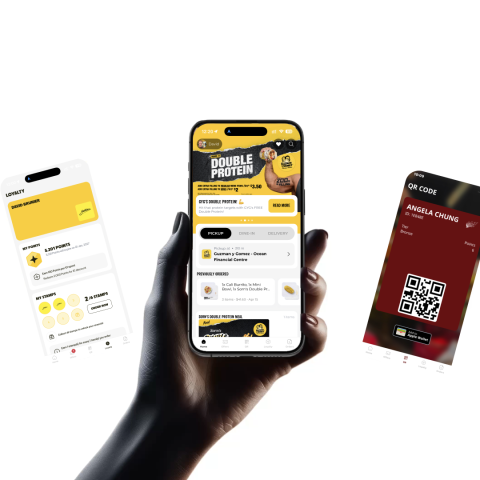
Technology helps simplify this process. Visual search tools now allow shoppers to find products instantly using photos. Meanwhile, apps such as Yuka help customers analyze ingredients in food, cosmetics, and beverages. These tools often influence whether consumers decide to buy or avoid certain products.
Artificial intelligence also plays a growing role in Customer Experience Retail. AI-driven tools can recommend products instantly based on customer preferences. For example, platforms powered by conversational AI allow shoppers to ask questions and receive tailored suggestions in seconds. These features reduce decision fatigue and improve shopping confidence.
Brands are also creating their own AI experiences. Glenfiddich developed an interactive guide that identifies bottles through a photo and suggests cocktail recipes. Meanwhile, IKEA created tools that help customers discover sleep solutions tailored to their habits. Retailers like Ralph Lauren use digital assistants to offer styling suggestions instantly.
Beyond personalization, community engagement is reshaping retail culture. Many brands now treat retail spaces as hubs where fans connect around shared interests. Communities built around gaming, anime, or pop culture often generate strong brand loyalty.
Events and partnerships highlight this shift. During Crunchyroll’s Ani-May celebration, retailers hosted events featuring voice actors, manga artists, and fan gatherings. Experiences like Netflix House create immersive environments where fans explore their favorite shows through food, games, and themed attractions.
Younger audiences play a major role in this trend. For instance, gaming has become a cultural anchor for many teenagers. Brands such as Razer build stores that function as esports arenas where visitors test gaming equipment in real matches. Similarly, themed locations like the Pokémon Café in Tokyo combine entertainment, dining, and shopping.
Physical retail environments are also evolving. Stores increasingly function as destinations for discovery and entertainment. This transformation allows retailers to offer experiences that digital shopping alone cannot provide.
For example, Dyson stores allow customers to test products in realistic environments. Nike’s House of Innovation blends product customization with design storytelling. Meanwhile, luxury brands like Coach introduce cafés inside stores to attract younger audiences through lifestyle experiences.
Retail storytelling is also becoming shoppable. Entertainment content now connects directly to purchasing opportunities. Millions of consumers already buy products through live shopping events and interactive streams.
Streaming platforms demonstrate this shift clearly. Amazon’s Shop the Show allows viewers to buy items featured in television programs instantly. Similarly, brands collaborate with content creators to turn storytelling into direct retail experiences.
Finally, technology now connects every part of the shopping journey. The goal of Customer Experience Retail is to create seamless movement between digital and physical environments.
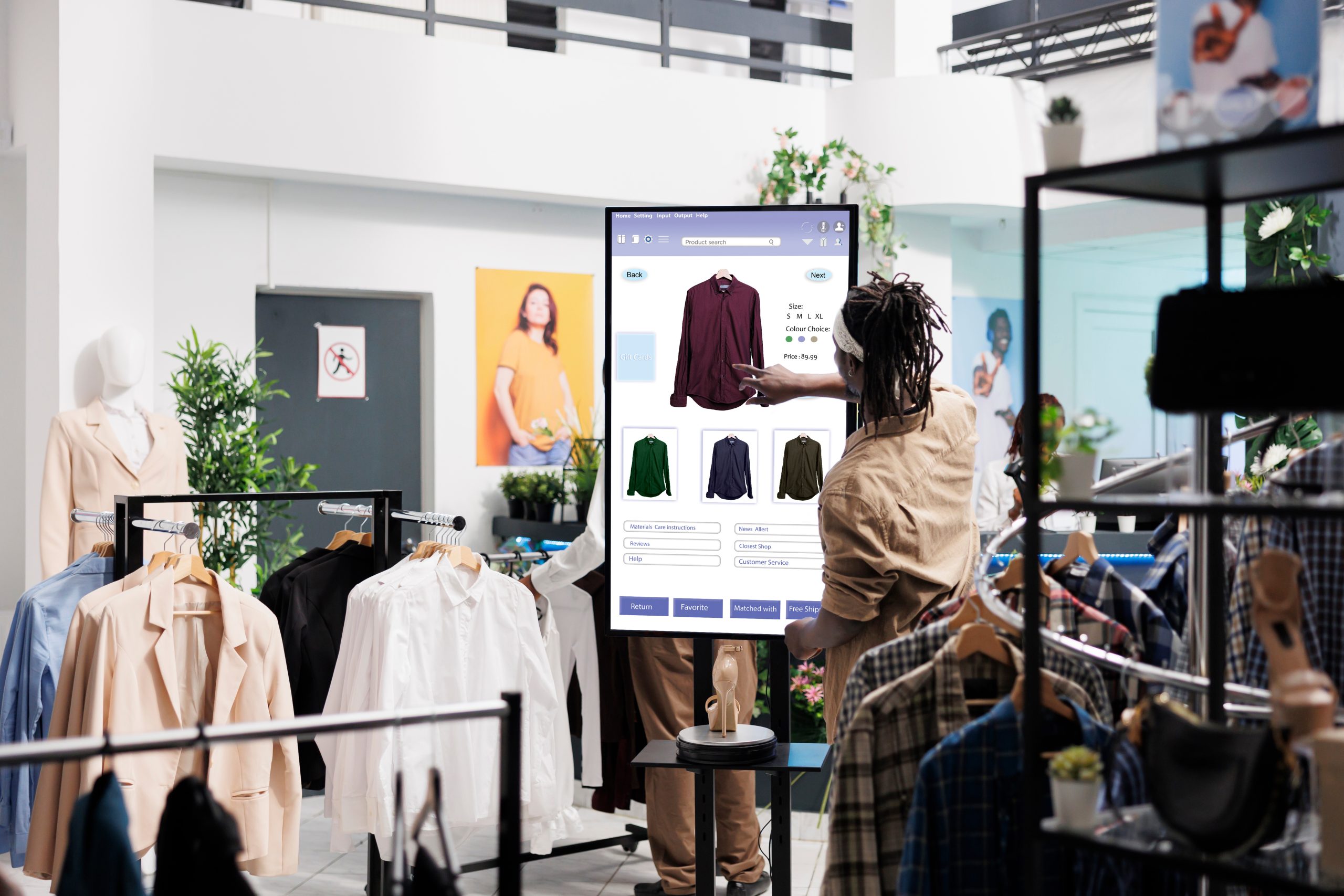
Retailers increasingly use tools such as virtual try-on technology. For example, Zara allows shoppers to create digital avatars that display how clothing fits and moves. Sephora offers virtual makeup testing so customers can experiment with products before purchasing.
Other companies focus on improving operational efficiency. Old Navy introduced AI-powered RFID systems across hundreds of stores to track inventory more accurately. Meanwhile, grocery chains experiment with digital media platforms that inspire purchases through recipe recommendations.
Ultimately, the future of Customer Experience Retail depends on integration. Modern customers no longer separate digital from physical experiences. Instead, they expect technology, creativity, and human interaction to work together seamlessly.
Retailers that deliver these connected experiences will define the next era of global commerce.