Beauty retail has become a major battleground for Walmart and Target as both companies increase investments in product selection, staffing, and in-store experiences to attract shoppers.
The two retail giants highlighted strong beauty category performance during their latest earnings calls, signaling that cosmetics and skincare are becoming increasingly important to their broader growth strategies.
Target reported that beauty sales rose nearly 10% compared to the same period last year, reaching $3.4 billion. Executives said the company plans to expand its new Target Beauty Studio shop-in-shop concept to 600 stores later this year.
Company leaders believe beauty retail offers an opportunity to strengthen customer loyalty while increasing discretionary spending at stores already frequented for groceries and household essentials.
Beauty retail drives stronger store traffic
Target executives sounded optimistic about the retailer’s changing beauty strategy. Chief Operating Officer Lisa Roath said the company is testing new staffing and operational models designed to improve customer service during busy shopping periods.
The staffing changes come ahead of the end of Target’s partnership with Ulta Beauty, which is expected to conclude in August. The retailer now appears focused on building a more independent beauty identity through its own Target Beauty Studio concept.
Chief Merchandising Officer Cara Sylvester said Target plans to offer a curated range of highly recognized brands within the new spaces. CEO Michael Fiddelke also emphasized the importance of service quality in the beauty category.
“We know in a category like beauty, making sure that our service levels are equal to the rare air that some of our brands are, is incredibly important,” Fiddelke said during the earnings call.
Read Also
Kontoor Eyes Lee Sale as Wrangler Momentum Builds
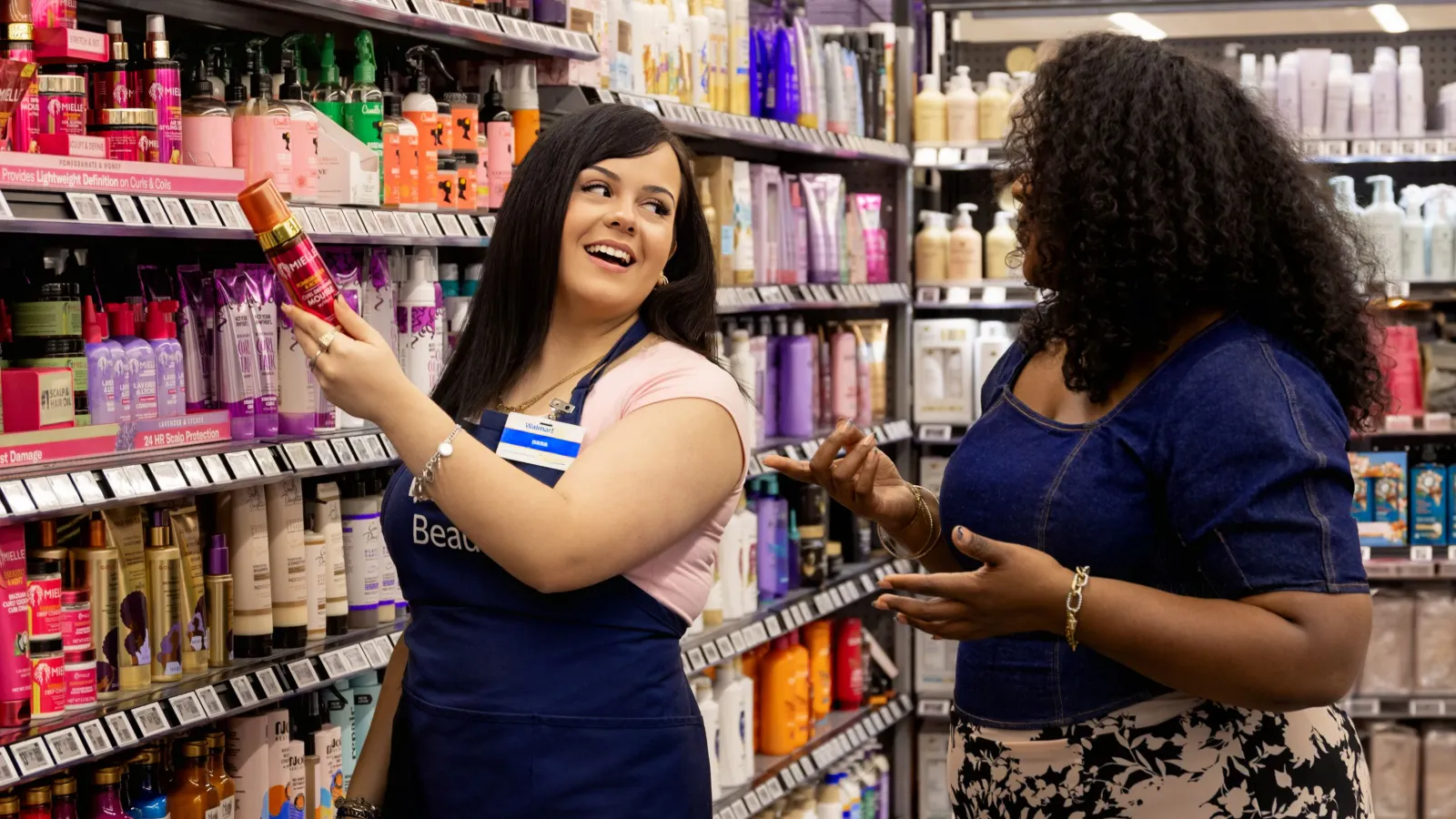
Walmart is also strengthening its position in beauty retail through staffing improvements and expanded product offerings. Earlier this year, the retailer announced plans to expand a specialized beauty associate role to 425 stores across the United States following successful pilot programs.
The company believes dedicated staff can improve customer engagement and create a better in-store shopping experience. Walmart executives also highlighted strong consumer demand for newer skincare brands added to shelves.
Chief Financial Officer John David Rainey said beauty growth was not driven solely by broader economic factors such as tax refunds. Instead, he credited the retailer’s expanding product assortment and new brand partnerships.
According to Rainey, approximately 75% of Walmart’s beauty category growth came from newer brands, including La Roche-Posay, which launched in select stores earlier this year.
Walmart expands premium beauty offerings
Walmart’s latest strategy reflects a growing effort to attract shoppers across different income groups. Traditionally known for low-cost essentials, the retailer is now increasingly introducing premium beauty brands alongside affordable products.
Executives believe the wider assortment can help Walmart compete more directly with specialty beauty retailers while also encouraging higher spending per visit.
CEO John Furner described beauty as a “standout” category during the latest quarter. Analysts say beauty retail remains attractive because consumers often continue purchasing skincare and cosmetics even during periods of economic uncertainty.
The category also offers higher margins than many traditional grocery and household products, making it increasingly important for large retailers seeking stronger profitability.
Read Also
Kiba Hydropower Project Gains Urgent Government Push
Industry observers say the growing competition between Walmart and Target reflects wider changes in consumer shopping behavior. Customers increasingly want convenience, premium experiences, and broader product access in a single location.
Beauty retail has therefore become a strategic category capable of driving repeat visits, impulse purchases, and stronger customer loyalty programs.
Target’s evolving strategy appears especially significant as the company reshapes parts of its broader retail business. The retailer has faced pressure in recent years from shifting consumer demand and heightened competition across discretionary spending categories.
The launch of Target Beauty Studio locations could help the company differentiate itself from competitors while retaining customers who previously relied on Ulta shop-in-shops.
Target reshapes beauty retail experience
Both Walmart and Target are increasingly treating beauty sections as destination spaces rather than secondary departments inside larger stores. That approach mirrors strategies long used by specialty beauty chains and department stores.
Retail analysts say dedicated beauty staff, premium brands, and improved merchandising can encourage shoppers to spend more time browsing products while also increasing customer trust.
The battle for beauty retail market share is likely to intensify further as consumers continue prioritizing skincare, wellness, and self-care products.
Read Also
Target Reshapes Leadership Amid Retail Turnaround
As Walmart and Target continue refining their beauty strategies, the category is expected to remain a major growth engine for both companies. Expanded assortments, stronger staffing models, and upgraded in-store experiences could play a central role in future retail competition across the United States.