The announcement that Publix Pay discontinued operations has sparked criticism among loyal shoppers who relied on the grocery chain’s digital payment tool for convenience. The move comes at a challenging time for Publix as the retailer faces slowing sales growth, rising consumer price sensitivity, and growing competition from other major grocery chains.
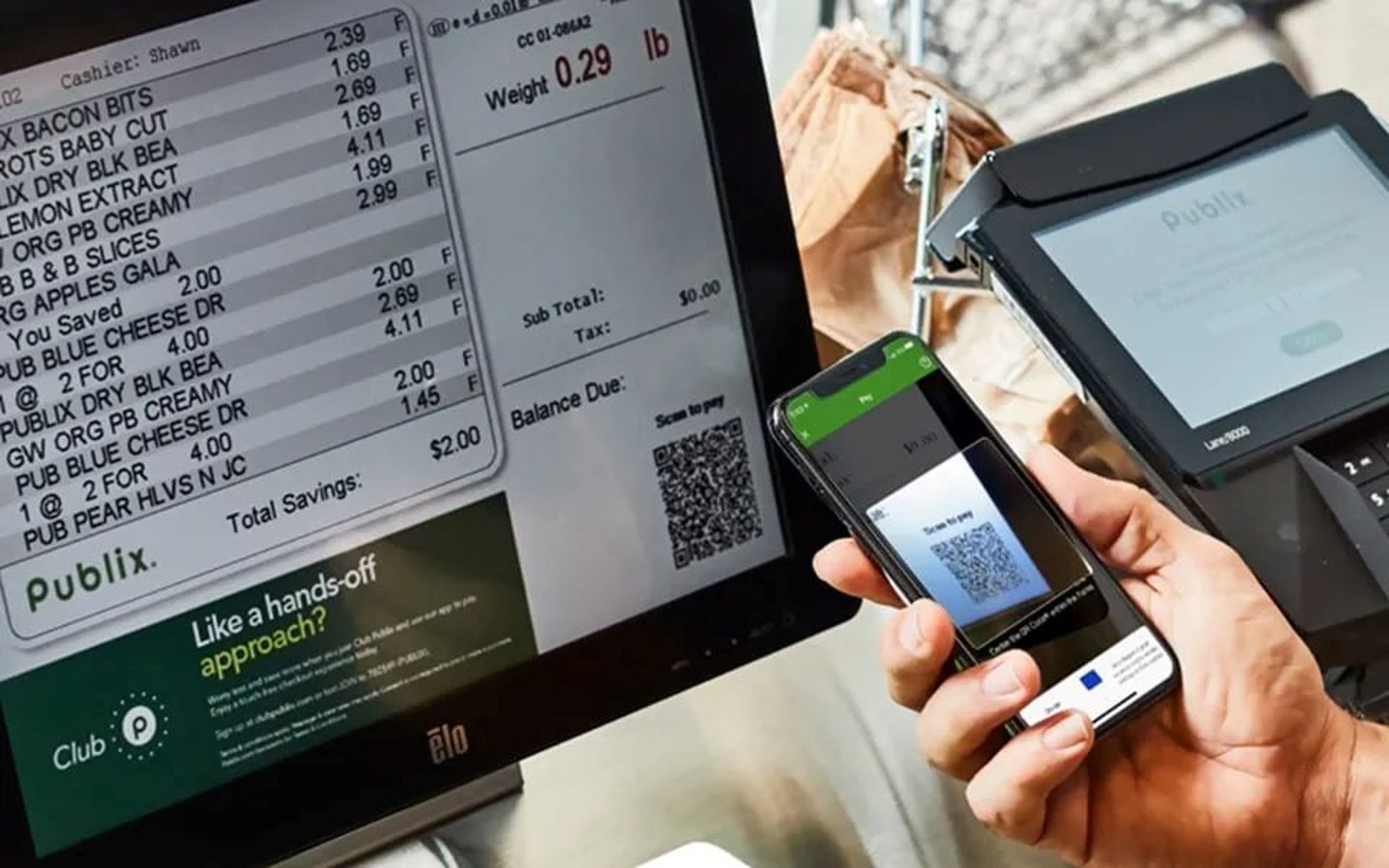
Publix introduced its in-app contactless payment system in 2020 as part of its effort to modernize the shopping experience. The feature allowed customers to store payment methods such as credit cards, debit cards, and gift cards within the Publix mobile app. Shoppers could then scan a QR code at checkout to pay for groceries without needing to swipe a card or handle cash.
The decision that Publix Pay discontinued services on March 19 has frustrated some customers who viewed the feature as a simple and efficient way to complete their purchases. Many shoppers appreciated the tool because it streamlined multiple steps in the checkout process.
In addition to processing payments, the digital tool automatically applied clipped digital coupons. It also generated digital receipts and allowed customers to avoid entering phone numbers into the keypad at checkout. These conveniences made the system particularly popular among frequent Publix shoppers.
Publix recently informed customers about the change through email notifications. The company explained that ending the service would allow it to focus on other improvements designed to enhance the overall customer experience.
A company spokesperson stated that the decision to have Publix Pay discontinued reflects a shift in priorities toward expanding other features that offer value and convenience. While the digital payment system will disappear, the Publix mobile app will still support certain functions.
Customers will continue to use gift cards saved in the app. They will also have access to alternative contactless payment options, including Apple Pay and Google Pay, which remain widely available at Publix checkout counters.
Despite these alternatives, the reaction from some customers has been strongly negative. Many shoppers expressed their dissatisfaction on social media platforms, including Reddit, where users described the change as a step backward.
Some customers noted that they had relied on the feature for several years. One shopper commented that they appreciated being able to pay without touching the checkout keypad or entering a phone number for digital coupons.
Others pointed out that the payment tool allowed them to use a preferred credit card exclusively for grocery purchases. Because that card was stored within the app, they did not need to carry it physically in their wallets.
The frustration surrounding the Publix Pay discontinued decision reflects broader expectations among modern consumers. Shoppers increasingly demand simple, fast, and personalized digital experiences when interacting with retailers.
Many grocery customers now depend on mobile apps, digital coupons, and loyalty programs to manage rising food costs. Surveys indicate that these digital tools help shoppers stretch their budgets and find better deals.
A December survey conducted by Swiftly revealed that 68 percent of Americans struggle to afford groceries. Rising prices for essential goods have forced many consumers to rethink how they shop.
The survey also showed that 65 percent of shoppers have changed their purchasing habits due to higher food prices. Many consumers now rely on digital tools such as mobile apps, cashback programs, and loyalty discounts to reduce their grocery bills.
These trends highlight why the decision that Publix Pay discontinued services has drawn so much attention. Digital tools have become central to the modern grocery shopping experience.
Retail technology experts emphasize that convenience and personalization now drive consumer loyalty. Shoppers expect retailers to deliver seamless experiences across mobile apps, websites, and in-store systems.
According to Swiftly co-founder Sean Turner, retailers must invest in technology that makes saving money easier for customers. Digital infrastructure allows grocers to deliver value while building trust with their shoppers.
The timing of the Publix Pay discontinued announcement also coincides with slowing sales growth at the company. Publix previously reported strong comparable-store sales increases during the second quarter of 2025, when sales rose 6 percent year over year.
However, that momentum has gradually weakened. During the third quarter, comparable-store sales increased by 3.4 percent. Growth slowed further in the fourth quarter, reaching only 0.7 percent compared with the same period in 2024.
Publix explained that the slower performance partly resulted from unusually strong demand in October 2024 following Hurricane Milton. The storm caused a temporary surge in grocery purchases as residents stocked up on essential supplies.
Beyond weather-related factors, consumer spending patterns have also shifted. Many Americans now approach grocery shopping with greater caution due to persistent inflation.
Higher prices have forced households to track spending more carefully. Shoppers increasingly compare prices, search for promotions, and buy store-brand products instead of national brands.
The Publix Pay discontinued change may create additional challenges for the retailer as competition intensifies. Rival grocery chains such as Walmart and Kroger continue to expand their digital payment options and mobile shopping tools.
Both competitors reported stronger sales growth during the fourth quarter of 2025. Walmart recorded comparable sales growth of 4.6 percent, while Kroger achieved a 2.4 percent increase.
These companies also offer touch-free payment systems within their mobile apps, giving them an advantage among shoppers who prefer digital checkout experiences.
Customer criticism of Publix has also increased in recent months due to perceptions of higher grocery prices. Some shoppers have accused the retailer of charging more than competitors for similar products.
As economic pressure grows, many consumers prioritize value, convenience, and affordability when choosing where to shop. Surveys from EY-Parthenon show that financial anxiety continues to rise among American households.
About one in four consumers reported feeling financially worse off compared with the previous month. Meanwhile, roughly 70 percent expressed concern about the rising cost of living, particularly when it comes to food prices.
These economic pressures influence spending habits across multiple categories. Many households now cut back on travel, dining out, and entertainment to manage their budgets.
Even higher-income shoppers increasingly monitor grocery prices. Many compare deals across stores, look for sales promotions, and purchase private-label products to reduce expenses.
Against this backdrop, the decision that Publix Pay discontinued services may risk frustrating customers who value convenience and digital efficiency.
Retail analysts argue that grocery chains must balance technological innovation with a positive human shopping experience. Companies that deliver both convenience and affordability will likely maintain stronger customer loyalty.
For Publix, maintaining that balance will be essential as the grocery industry continues evolving. Digital tools, competitive pricing, and customer trust will all play major roles in determining how shoppers choose their preferred grocery stores.