Shares of Restaurant Brands International moved lower even after the company delivered quarterly results that exceeded Wall Street expectations. Despite stronger-than-anticipated revenue and earnings, investors reacted negatively to slower progress on Burger King’s U.S. modernization plans and ongoing pressure in parts of the portfolio.
The company, which owns Burger King, Tim Hortons, and Popeyes, reported solid international momentum and overall same-store sales growth. However, concerns about domestic execution and cost pressures weighed on market sentiment, sending the stock down sharply during afternoon trading.
Earnings Beat Expectations but Net Income Declines
For the quarter ended December 31, Restaurant Brands posted adjusted earnings per share of 96 cents, slightly ahead of analyst estimates of 95 cents. Revenue came in at $2.47 billion, exceeding projections of $2.41 billion.
However, net income attributable to shareholders dropped significantly compared with the prior year. The company reported $113 million in net income, or 34 cents per share, down from $259 million, or 79 cents per share, in the same quarter a year earlier. Excluding transaction costs, restructuring charges, and other nonrecurring items, adjusted earnings provided a clearer picture of operational performance.
Net sales increased 7.4% year over year. When adjusting for currency effects and restaurants slated for refranchising, organic revenue growth stood at 6.5%. These figures underscored resilience in the company’s global footprint, particularly outside North America.
International Markets Lead the Way


A key driver of the quarter’s performance was strong international expansion. Same-store sales outside the U.S. and Canada climbed 6.1%, well above analyst expectations. International Burger King locations, which account for most of that segment, recorded comparable sales growth of 5.8%.
Analysts had anticipated international same-store growth of just 3.7%, making the actual performance a positive surprise.
The company continues to emphasize overseas expansion. In late January, Restaurant Brands finalized a joint venture structure for Burger King China aimed at accelerating growth. Under the agreement, Chinese investment firm CPE holds roughly 83% ownership of Burger King China, while Restaurant Brands retains about 17% and a board seat. The arrangement allows the company to expand in China while limiting capital exposure.
Executives have signaled that international markets remain central to long-term growth strategy, especially as certain North American challenges persist.
Burger King’s U.S. Modernization Faces Delays
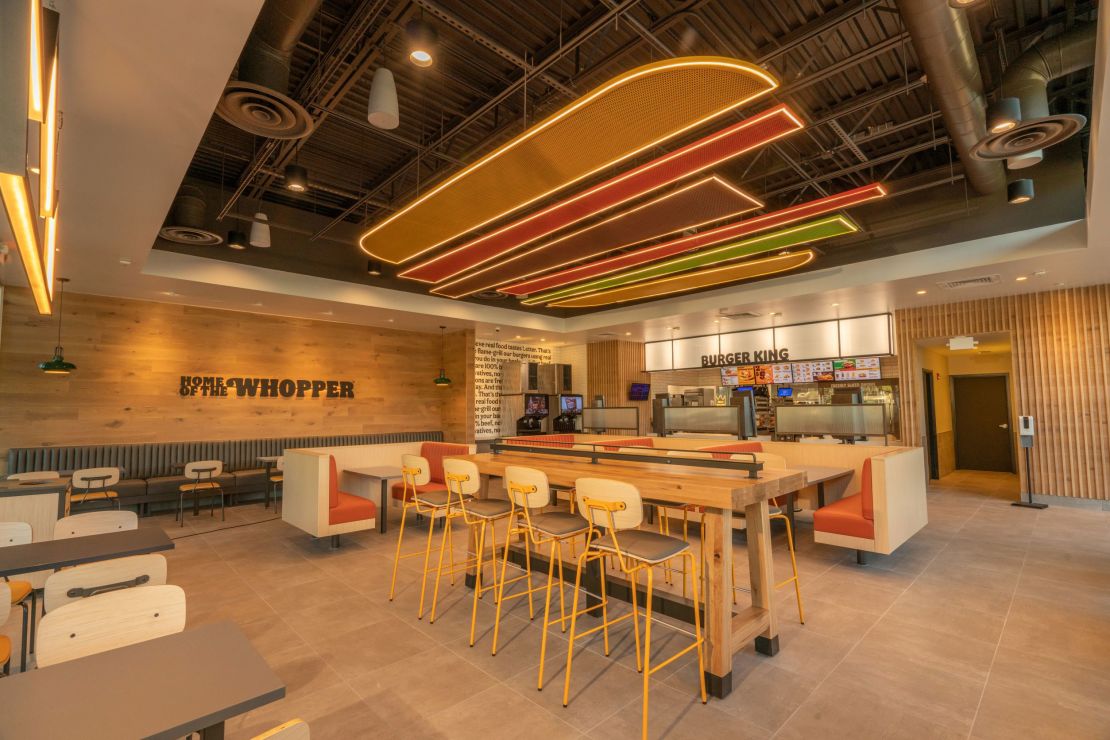
Despite international strength, investors focused on setbacks in Burger King’s domestic operations. The chain has been working toward a goal of remodeling 85% of its U.S. restaurants by 2028. Executives now say that timeline will not be met due to higher construction and operating costs.
Rising beef prices have also created headwinds. Company leadership disclosed that beef costs surged approximately 20% in 2025, compressing margins for both the corporation and its franchisees.
Burger King’s same-store sales still increased 2.7%, slightly exceeding analyst expectations of 2.4%. Promotional campaigns, including themed menu launches and value meal bundles, helped attract traffic. The brand continued offering $5 and $7 combo deals to appeal to budget-conscious consumers, while maintaining relatively stable marketing spending.
Company executives emphasized that they avoided deep discounting strategies, instead relying on targeted promotions and brand partnerships to drive demand.
Tim Hortons and Popeyes Show Mixed Results

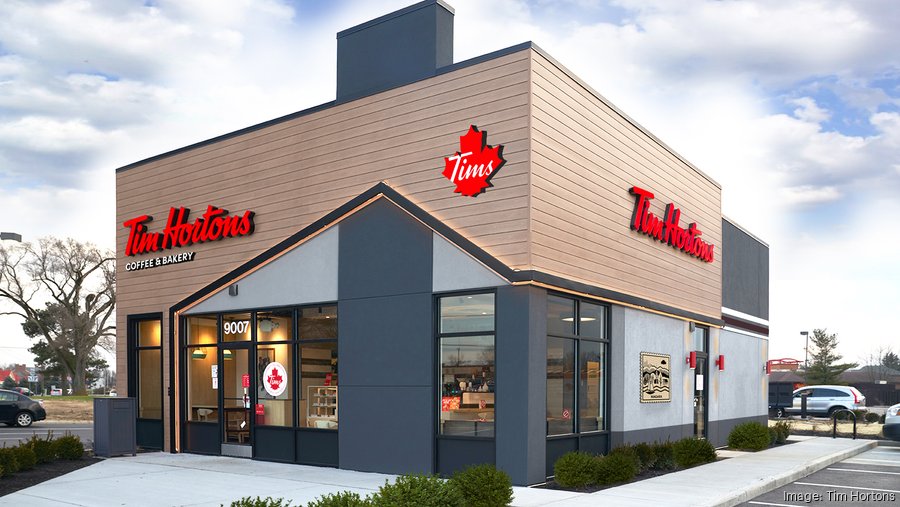
Performance varied across the broader portfolio. Tim Hortons, which accounted for nearly half of Restaurant Brands’ total revenue during the quarter, delivered same-store sales growth of 2.9%. While positive, that figure fell short of analyst expectations of 3.8%.
Popeyes, meanwhile, struggled more noticeably. The fried chicken chain recorded a 4.8% decline in same-store sales, deeper than the 2.4% drop projected by analysts.
Management acknowledged that Popeyes requires renewed focus. Leadership changes have already been implemented, including new executives overseeing U.S. and Canadian operations and marketing. The company aims to strengthen operational consistency, refine menu focus, and rebuild momentum around core offerings such as its well-known chicken sandwich.
Executives expressed confidence that leadership adjustments and operational improvements will gradually restore growth at the chain.
Investors React to Execution Risks
While headline numbers exceeded expectations, investors appeared more concerned about forward-looking risks. Slower U.S. remodeling progress at Burger King and ongoing commodity inflation introduced uncertainty around margin expansion and long-term profitability.
Shares declined roughly 6% during afternoon trading following the earnings release. The reaction highlighted the market’s sensitivity to execution timelines and cost pressures, even in the presence of revenue beats.
Restaurant Brands plans to outline additional growth initiatives at its upcoming investor day in Miami later this month. Analysts expect further details on capital allocation, franchise support, and international expansion strategy.