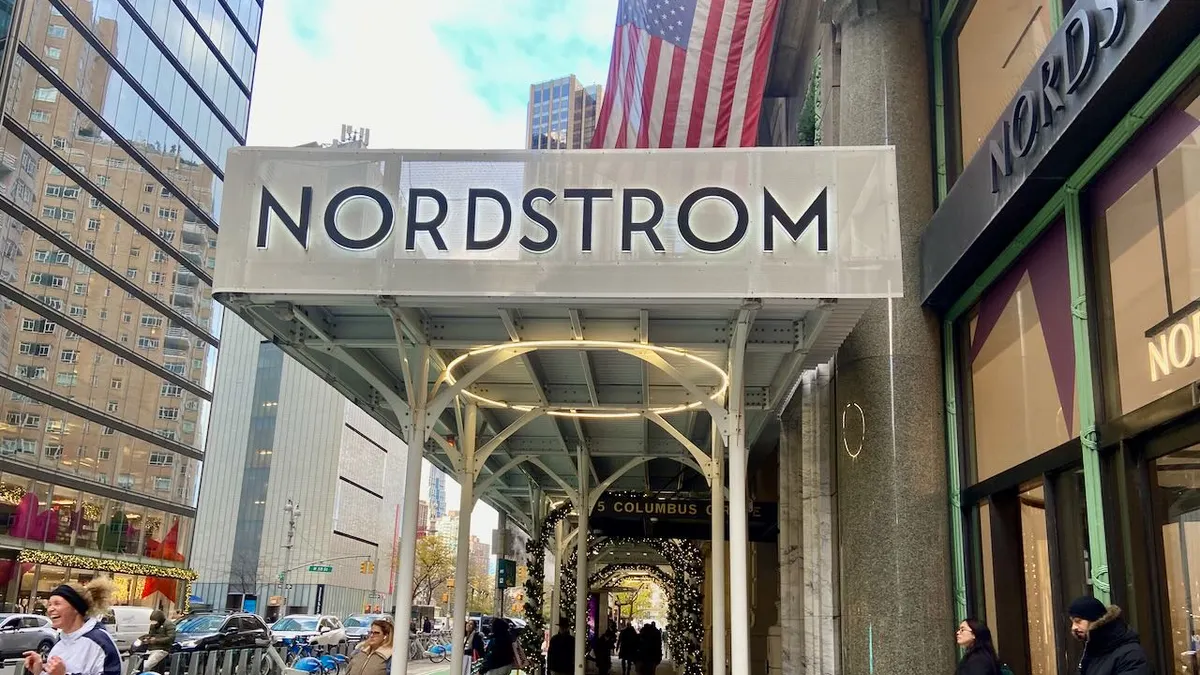
Lulus, a popular women’s fashion brand, has taken a significant step in its growth strategy by expanding its wholesale presence at Nordstrom. The fashion retailer, known for its direct-to-consumer (DTC) model, has broadened its reach from 60 Nordstrom locations to all of the department store’s outlets. This expansion is part of Lulus’ ongoing strategy to enhance its wholesale partnerships, following a successful period of growth in other retail environments.
Having established a long-standing relationship with Nordstrom since 2017, Lulus has seen a remarkable shift in how its customers shop. According to the company, 55% of its Nordstrom sales come directly from physical store locations, making it clear that an expanded presence in Nordstrom’s fleet of stores would meet the demands of its growing customer base. In response to this trend, Lulus made the strategic decision to increase its wholesale footprint, continuing its march toward a more diverse and widespread retail model.
Growing Presence Across Major Retailers
Lulus’ expansion into all Nordstrom stores reflects the company’s broader wholesale strategy, which has been steadily evolving. While Lulus began as an online-only business in 2008, the company has made significant strides in integrating its products into brick-and-mortar retail, aiming to meet customers where they prefer to shop. Its move into all Nordstrom locations follows recent expansions into other major retailers, including Urban Outfitters and Dillard’s.
This wholesale growth is reflected in Lulus’ impressive performance over the past year. From 2024 to 2025, the company’s wholesale business saw a staggering 143% year-over-year increase, signaling strong demand and brand recognition outside of its core e-commerce operations. As part of its partnership with Nordstrom, Lulus will also be expanding its product assortment within the department store’s dress department. Starting in April 2026, shoppers can expect to find more daytime dresses alongside Lulus’ signature special occasion styles, further solidifying its position in the fashion market.
The Evolution of Lulus’ Business Model
Founded in 1996 as a boutique in Northern California, Lulus initially captured the attention of local customers with its stylish offerings. However, it wasn’t until 2008, when the company switched to an exclusively online model, that Lulus began to rapidly grow its national presence. Over the years, Lulus has built a loyal following, thanks to its curated selection of trendy yet timeless women’s apparel, especially dresses. Despite its online-only roots, Lulus never lost sight of the importance of building strong partnerships with major retailers, a strategy that has contributed to its continued success.
In addition to its recent expansion into Nordstrom, Lulus has been focusing on building its wholesale relationships with other notable retailers. The brand was a part of the Urban Outfitters Homecoming collection last August and further expanded its offerings with the retailer in January 2026, specifically increasing its dress collection. Furthermore, Lulus doubled its presence in Dillard’s stores in December 2025, increasing its footprint to 100 locations. These moves show that Lulus is not just maintaining its DTC model but also diversifying its approach to reach customers in a variety of shopping environments.
A Strategic Shift in Retail Trends
The decision to grow its wholesale partnerships aligns with broader trends in the retail industry, especially in the wake of the pandemic. Many brands that thrived in the DTC space are now pivoting toward wholesale models, as consumers increasingly return to physical stores and continue to shop through multiple channels. According to a 2024 NuOrder report, wholesale channels are expected to grow five times faster than DTC models by 2025, reflecting a shift in consumer buying habits and preferences.
For Lulus, this expansion represents more than just increased shelf space at retail giants like Nordstrom. It’s a calculated effort to tap into the significant portion of consumers who still prefer shopping in physical stores. In doing so, Lulus is reinforcing its brand equity and continuing to build valuable long-term partnerships with large retailers that benefit both parties. These partnerships, CEO Crystal Landsem explains, are about more than just boosting sales; they are a way for the brand to connect with customers on a deeper level.
Leadership and Future Growth
As part of its expansion efforts, Lulus has made key leadership changes to better position the brand for future growth. In October 2025, Lulus brought on Heidi Crane as its fractional chief financial officer, a position made permanent in early 2026. Crane’s appointment is part of the company’s strategic push to scale across multiple platforms, which will likely include further wholesale expansions as well as enhancements to its DTC offerings.
Although Lulus continues to face challenges in its DTC space, with the most recent quarter showing a 9% year-over-year decline in net revenue and an 11% decrease in active customers, the company remains focused on its long-term growth goals. The wholesale strategy is just one of many ways Lulus is adapting to changing retail dynamics and consumer preferences, ensuring that it remains competitive in a rapidly evolving market.
Navigating the Changing Retail Landscape
Lulus’ wholesale expansion reflects its adaptability in an industry that is constantly changing. By meeting consumers where they shop, both online and in physical stores, Lulus is ensuring that it remains a relevant player in the competitive women’s fashion space. With its focus on product assortment expansion, leadership development, and deepening retail partnerships, the brand is positioning itself for continued growth.
As the company prepares for its next phase of expansion, Lulus’ ability to combine DTC sales with strong wholesale relationships will likely define its success in the years ahead. Its ability to adapt to shifts in consumer shopping behavior, whether through online or in-store channels, will be critical as it seeks to solidify its place as a leading fashion brand for women.