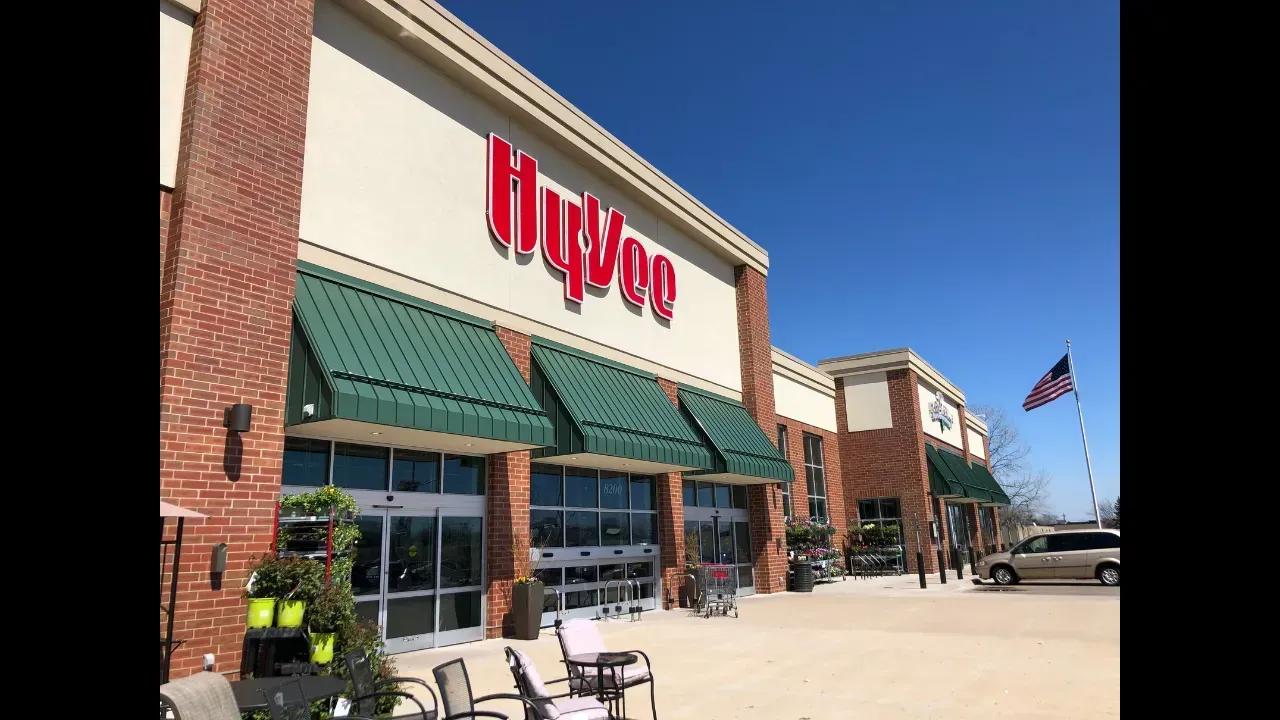
Hy-Vee Pharmacist Case Sparks Drug Theft Charges
The Hy-Vee Pharmacist Case continues to attract significant public attention as former pharmacist Jeffrey Bates faces multiple criminal charges linked to a complex drug theft scheme. Investigators say the alleged actions involved fraudulent prescriptions, diverted narcotics, and questionable insurance billings. Moreover, the case has intensified discussions about pharmacy oversight and the dangers of prescription drug diversion in community pharmacies.
How the Allegations First Emerged
The first concerns surfaced in April 2025 when the Hy-Vee store in Indianola, Iowa, noticed irregularities in its controlled substance inventory. Managers detected discrepancies that raised concerns about missing narcotic pills. Because the losses involved drugs such as Adderall and Vyvanse, the store immediately began an internal review. Soon after, surveillance footage appeared to show Bates filling unauthorized prescriptions and taking bottles home after his shifts. This evidence, combined with computer records matching the transactions, guided investigators toward a pattern of behavior. In addition, store officials said they confronted Bates, who admitted to creating phony labels but claimed he did so to fix inventory issues. However, the scale of the discrepancies suggested a deeper problem, prompting the store to alert law enforcement.
Details of the Criminal Charges
Prosecutors have charged Bates with felony first-degree murder, tampering with records, identity theft, and eight counts related to prohibited handling of controlled substances. They accuse him of stealing more than $71,000 worth of prescription medications over several months. Authorities believe he created false prescriptions by using the names of medical providers and by mixing real and fabricated patient identities. This practice, they say, allowed him to fill prescriptions without raising immediate suspicion. Furthermore, investigators allege he billed insurers for these fraudulent prescriptions, which expanded the financial impact of the scheme. Police documents suggest that more than 3,700 pills were diverted, many of them listed as controlled substances. In one example, a single patient name was used six times to obtain more than 300 pills of Adderall and Vyvanse.
Evidence Collected by Investigators
Law enforcement officials executed a search warrant at Bates’ residence on April 23. They seized several pill bottles, prescription paperwork, and his cell phone. These items, according to investigators, contained information that connected him to the fraudulent prescriptions. Moreover, the combination of digital records, physical evidence, and surveillance footage created a detailed timeline of the alleged drug diversion. Investigators say the method involved generating a prescription, billing insurance providers for the medication, printing a label, and then removing the drugs from the store. This process, repeated over time, helped conceal the disappearance of narcotics. Because of the evidence pattern, authorities believe the activity was deliberate and sustained.
Regulatory and Insurance Implications
The Iowa Board of Pharmacy is now reviewing Bates’ actions to determine their impact on pharmacy regulations and insurance practices. Officials are concerned that fraudulent prescriptions may have resulted in improper billings to multiple insurers. Additionally, regulators want to assess whether safeguards at the pharmacy were sufficient to detect irregular activity earlier. These reviews may prompt tighter rules for monitoring controlled substances and auditing pharmacist activities. As the Hy-Vee Pharmacist Case gains attention, many within the industry argue that improved digital tracking and more frequent audits could reduce opportunities for similar misconduct. In addition, insurance companies may introduce new verification steps to prevent fraudulent claims tied to prescription drugs.
Read Also
Walmart CEO Doug McMillon to Retire After Four Decades
Walmart Launches in South Africa With Major Retail Push
Broader Impact of the Hy-Vee Pharmacist Case
The Hy-Vee Pharmacist Case has sparked broader discussion about the responsibilities pharmacists hold in managing controlled substances. Many professional groups say the case demonstrates how internal tracking, surveillance systems, and insurance audits work together to uncover discrepancies. Moreover, community pharmacies may now feel increased pressure to tighten oversight as public confidence becomes a priority. Legal analysts expect the court proceedings to shape conversations around prescription fraud for years to come. As the case moves forward, its outcome will likely influence regulatory expectations and reinforce the importance of accountability in pharmacy operations. The Hy-Vee Pharmacist Case therefore stands as a significant moment in the ongoing debate over drug diversion prevention and industry compliance.